After Ather's Gain, Hero's Electric CV Bet Begins to Scale

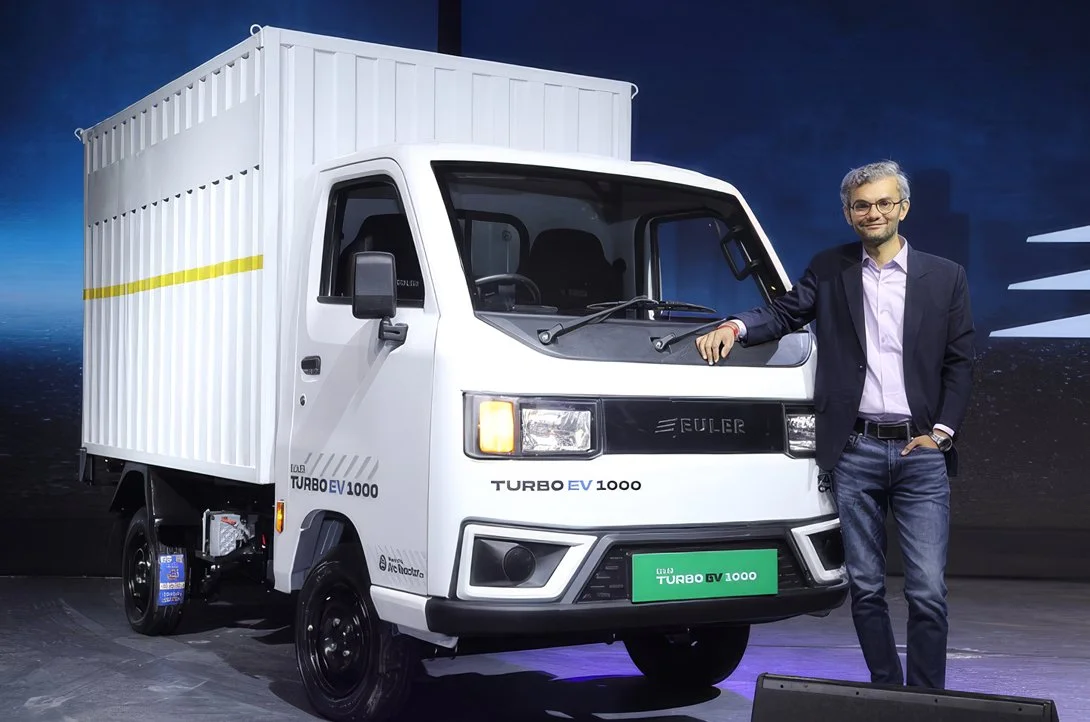
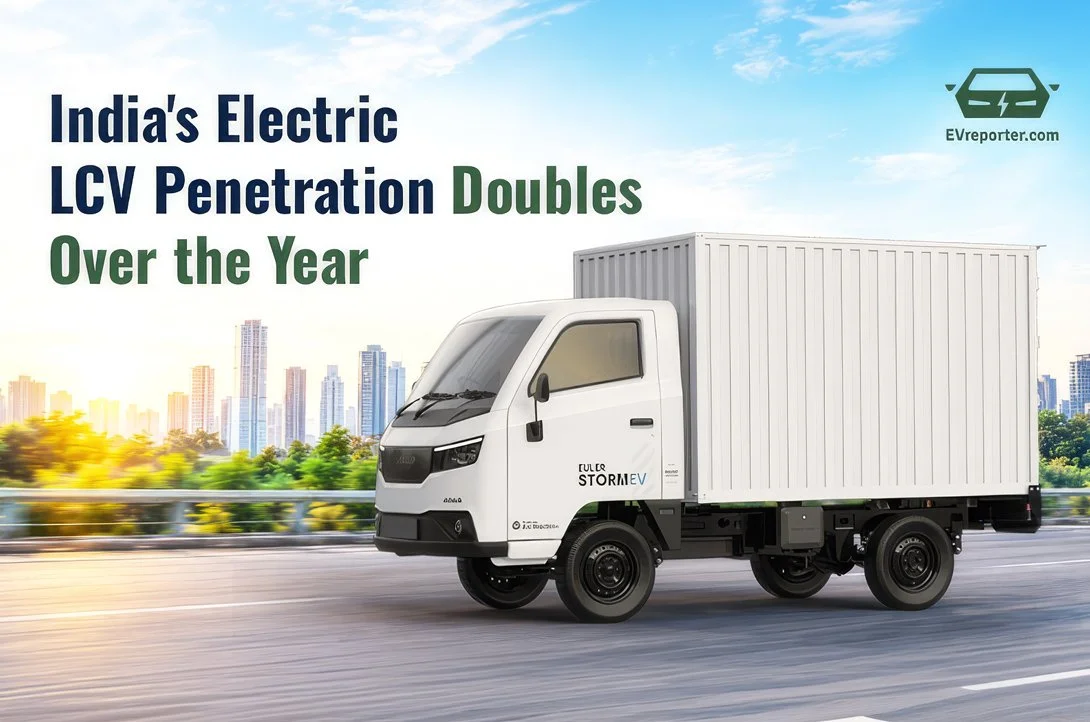
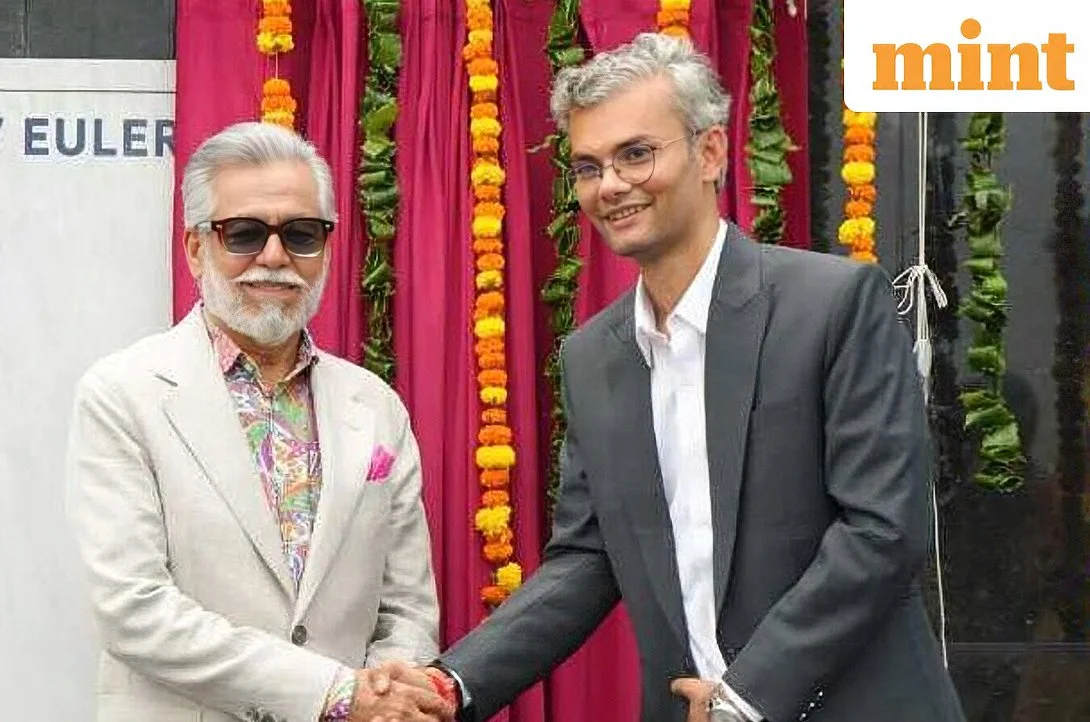
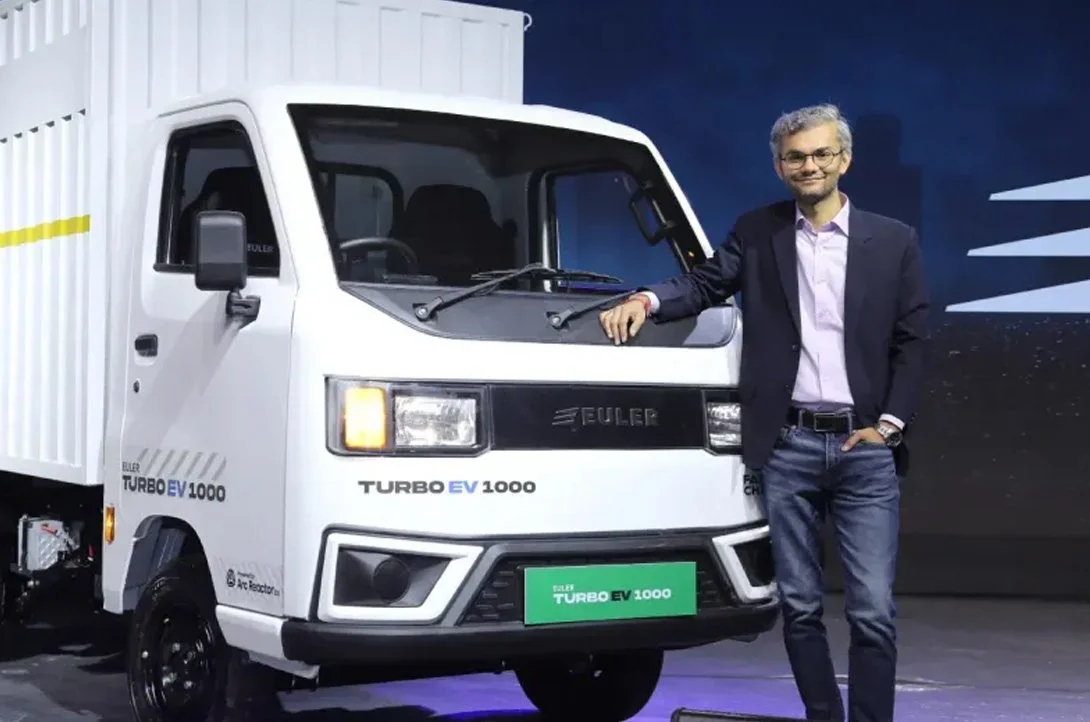
Hero MotoCorp's Euler Motors bet is a pattern worth watching. Hero built a six-fold return on its Ather Energy stake, and it's running the same playbook in electric commercial vehicles: back a promising operator early, lend distribution muscle, let network effects compound. Euler's sales grew 87% last year, its footprint expanded from 35 to 112 cities, and Hero's ₹720 crore makes it the largest shareholder at a 34% stake. Revenue more than doubled to ₹433 crore, even as losses widened, the usual shape of scaling here.

We're drawn to what this signals about last-mile electric mobility. Unlike consumer EVs, these vehicles run predictable routes for livelihood reasons, not sentiment, making adoption more durable through cycles. Strategic capital from an incumbent with distribution reach, rather than pure financial investors, looks like the right structure here. It's a model worth tracking as more corporates back category leaders early rather than build in-house.

Read More
Lights Camera Action

IMPACT's roundup of the year's ten standout ad film directors is a reminder that even in an industry racing to automate, the campaigns that move people still come from a human hand shaping emotion and trust. One entry stood out to us: Santosh Padhi's work for Chupps, built around a biodegradable shoe, using craft to sell sustainability rather than just claim it. We don't back ad agencies, but we watch this closely: every founder in our portfolio answers the question Padhi answers there: how do you make a stranger care about a greener product?

That's not a soft skill at the edges of building a company, it's core to it. Climate ventures live or die on whether people believe the story behind the product: a farmer trusting new irrigation, a shopper trusting a biodegradable sole. Craft like the Chupps film, AI-assisted not AI-authored, is the instinct we look for in founders we back.

Read More
ElectricPe CEO Highlights India's Potential to Become a Lithium-Ion Battery Manufacturing Hub and Global Exporter

We're watching India's lithium-ion battery ecosystem shift from meeting domestic demand to genuine export capability, and comments this week from ElectricPe's Avinash Sharma capture why. The government's PLI scheme has built real industrial capacity — Tata Group's qualification under the program signals that large, well-capitalized players see manufacturing scale here as investable, not just aspirational. Just as important, the "EV as premium purchase" narrative is fading, as five years of FAME-backed subsidies have closed the price gap with petrol vehicles.

The harder problem now is trust, not technology. ElectricPe's platform — locating stations, verifying charging operations, metering consumption, and handling payments — targets exactly the friction that undermines confidence in daily use. With scooters priced roughly 20% below petrol options and a market moving 20 million two-wheelers a year, the opportunity is enormous if EV ownership starts feeling routine rather than experimental.

Read More
Euler Motors plans to double capacity in six months on robust electric CV demand

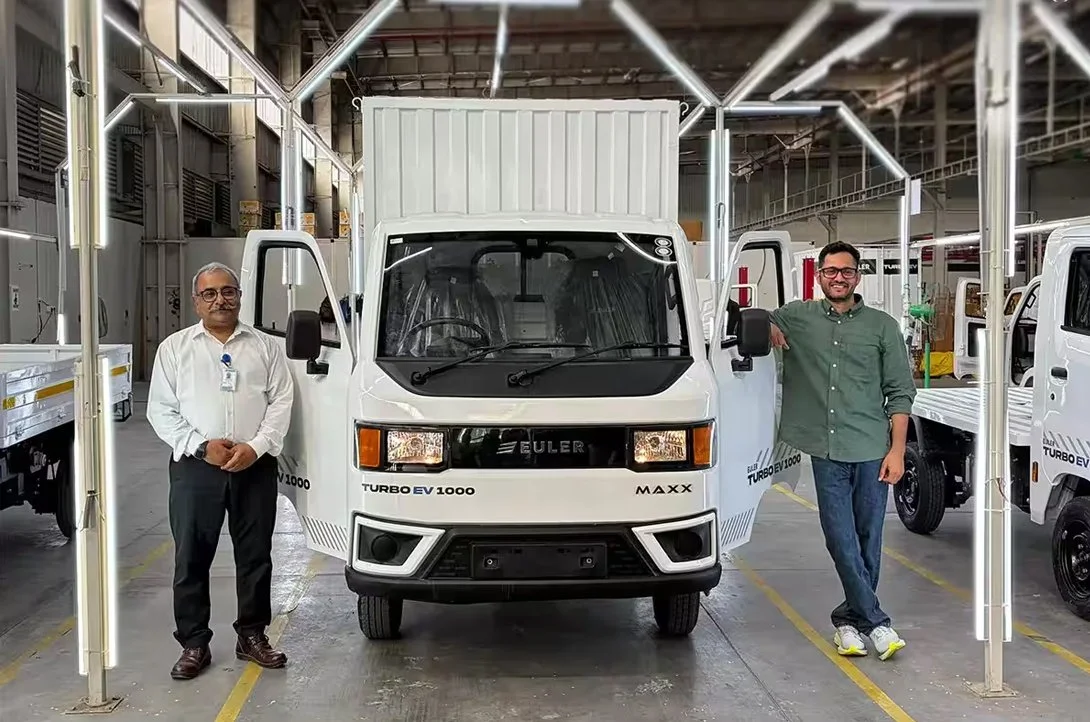
We're watching Euler Motors' expansion plans with interest as a signal of real strength in India's electric commercial vehicle market. The company is on track to nearly double production — from 1,000–1,200 vehicles a month to close to 2,000 — within five to six months, scaling through modular line additions rather than one large capex push. What stands out to us is that demand held firm through April–June, typically a slow quarter for commercial vehicles. Backed early by Hero MotoCorp and having raised roughly ₹1,900 crore to date, Euler sold 7,576 units in FY26, up 81% year-on-year. We're also encouraged by its in-house electronics strategy, 90–95% controlled internally, which reduces supply chain risk, and its focus on localizing battery cells and motor technology as the next frontier for India's EV ecosystem.

Read More
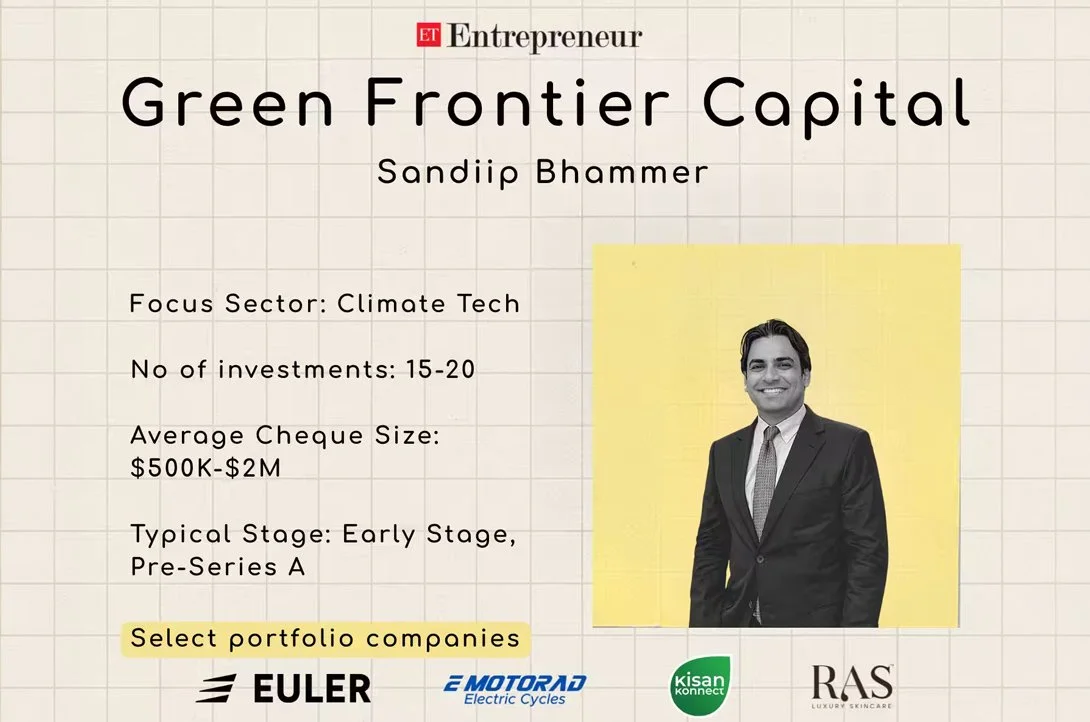
Green Frontier Capital Expects 20-30% Increase in Investments in Cleantech Startups

We expect startup investment into energy efficiency and related sectors to rise 20-30% this fiscal year, especially if higher energy prices persist. The fuel crisis underscores that sustainability is no longer an ESG theme but an economic and energy security imperative, and we're watching renewed interest build in clean mobility, energy efficiency, batteries and grid infrastructure. That said, we're deploying far more selectively, prioritizing fleet electrification, charging infrastructure, battery tech and EV financing where unit economics are genuinely positive, given recent EV startup failures tied to weak growth capital access.

Over the next 12-18 months, we're not chasing pace for its own sake; we're comfortable sitting on cash when valuations don't make sense. We're reserving capital for follow-ons in performers like Battery Smart, Revfin and Euler Motors, while scouting energy storage, mobility infrastructure, waste management and climate software. Climate tech is now core economic infrastructure, not a niche impact category.

Read More
Ex-Cars24 India CEO Himanshu Ratnoo Joins E-Cycle Company EMotorad as Cofounder

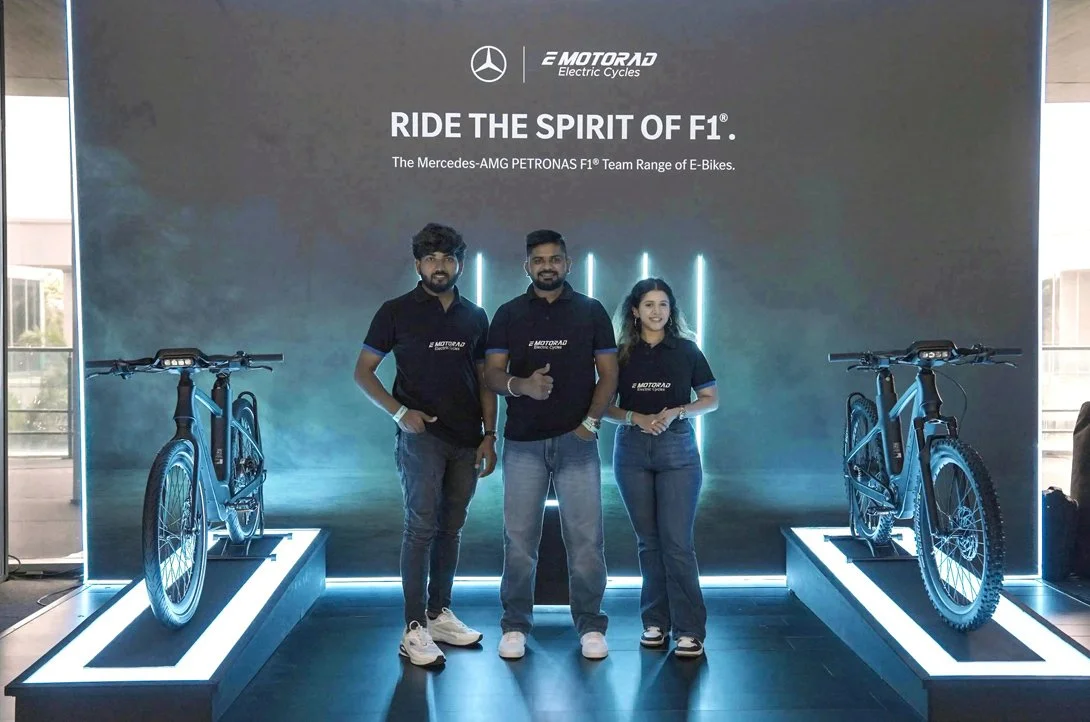
We're glad to share that EMotorad, one of our portfolio companies, has brought on Himanshu Ratnoo as cofounder. Himanshu joins Emotorad from Cars24, where he most recently served as CEO of the India used-car business — a division driving more than half of Cars24's revenue — after joining the platform in 2020.

We back EMotorad because we see mass mobility as one of the clearest global shifts underway, and Himanshu's experience scaling a high-volume consumer business fits this next stage well. As he put it, EMotorad has the chance to "define what mass mobility looks like globally," pointing to 5X growth already underway in Europe.

From a garage to roughly 800 dealerships across 18 countries, EMotorad has raised $25 million to date, backed by us alongside Panthera Growth Partners, xto10x, and MS Dhoni. We're excited for what's next.

Read More
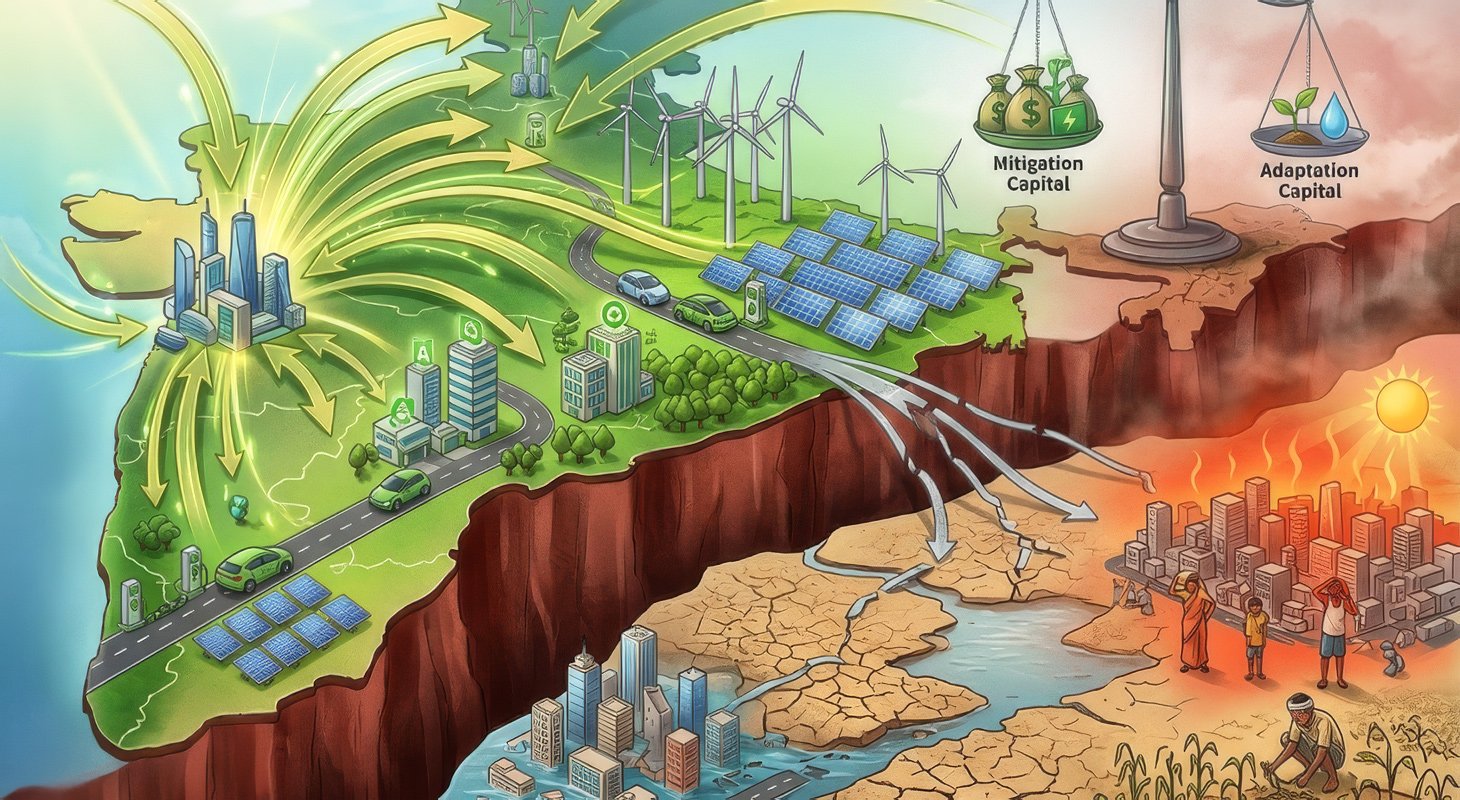
India's Climate Capital Still Chases Mitigation While Adaptation Risks Deepen

Nearly 70-80% of India's climate capital still flows to mitigation, and we understand why. Renewable energy, EVs, battery storage and climate SaaS offer investors what adaptation largely doesn't yet: scalable, repeatable models with strong demand, clear policy tailwinds and visible exit paths. Investors back business models, not just climate impact, and mitigation has been easier to underwrite and measure in avoided emissions and energy savings.

That imbalance won't hold. As heat stress, water scarcity and urban climate risk intensify across India, we see the real opportunity shifting toward making adaptation investable in its own right, not just fundable through grants and CSR. That means resilience outcomes linked to revenue streams, insurance mechanisms or risk pricing, alongside blended finance and guarantee structures that de-risk early capital. We expect the next phase of Indian climate finance to be defined by whoever cracks that model first, turning adaptation into a real asset class.

Read More
Euler Motors More Than Doubles Revenue to ₹402 Crore in FY26 as E-Commercial Vehicle Sales Grows

Euler Motors, a Delhi-based electric commercial vehicle maker, more than doubled its FY26 revenue to ₹402 crore as deliveries jumped 181% to 7,576 units. Quarterly revenue grew an average of 43% and volumes rose 38%. CEO Saurav Kumar framed the year as a shift "from early adoption to early scale," with EBITDA margins improving even as absolute losses grew alongside investment. The company is absorbing part of a cost squeeze itself while passing some increases to customers, and remains excluded from the government's automotive PLI scheme due to unmet eligibility thresholds — a disadvantage versus larger OEMs. Total expenses rose to ₹741 crore (from ₹464 crore), with staff costs up 40% to ₹104 crore. Founded in 2018, Euler has raised over $200 million to date.

Read More
Chupps Footwear Launches 'Sleeping Feet' Comfort Campaign

We're watching Chupps Footwear's new "Sleeping Feet" campaign with interest. Created by Into Creative, the push centers on a 30-second hero film plus supporting static creative across YouTube, Meta, and OTT, built around a simple visual metaphor: when feet are truly comfortable, they drift off to sleep. It's a deliberate shift away from feature-heavy comfort claims toward outcome-led storytelling, with founder Yashesh Mukhi framing it as demonstrating the result rather than explaining the input.

Chupps and Into Creative describe the work as flipping a familiar category convention on its head, and in a market crowded with generic comfort messaging, brands that find a genuinely distinctive creative wedge — while staying true to their core proposition — tend to build stronger long-term recall and differentiation than those relying on spec-sheet claims alone.

Read More
USDFC Deployed and Invested ₹90 Crore in Pune-Based Nutrifresh Farm Tech, Boosting Maharashtra's Agri-Tech Push

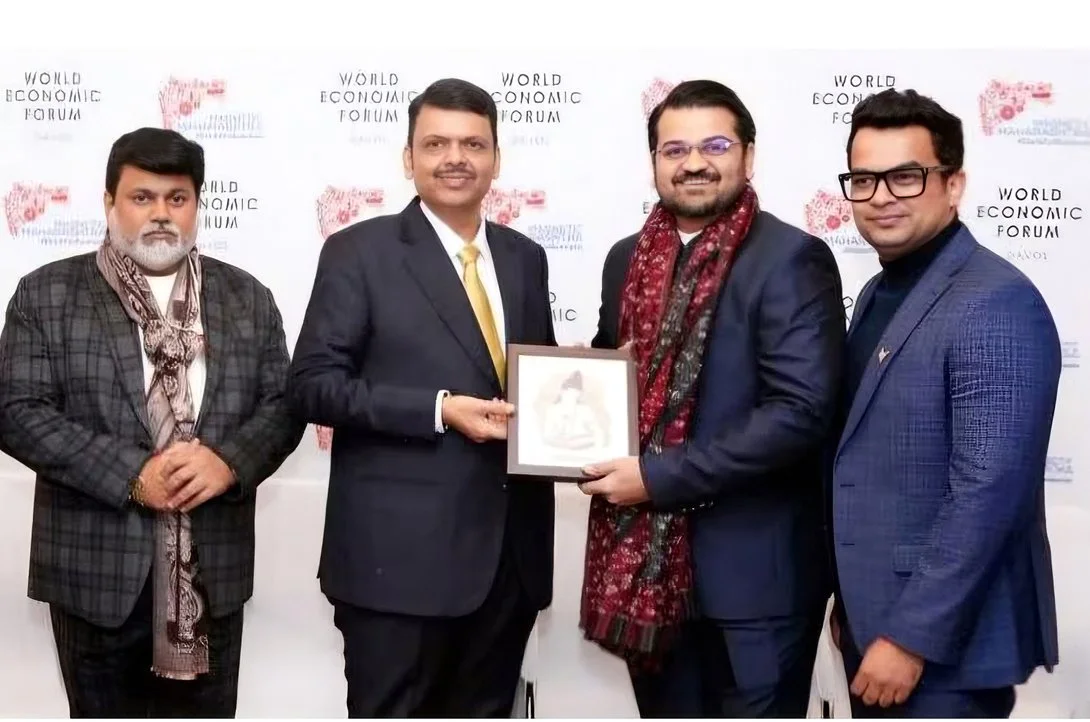
We're watching USDFC's move to deploy the first ₹90 crore tranche of a proposed ₹400 crore investment into Pune-based Nutrifresh Farm Tech with interest. It's one of the earliest tangible outcomes of the ₹2,500 crore Smart Agriculture MoU signed at Davos 2026 between the Maharashtra government, Rural Enhancers Group, and Nutrifresh, and it signals growing international confidence in the state for long-term agri-food investment. The capital will build out controlled environment agriculture infrastructure — precision cultivation, efficient water use, stronger export-oriented supply chains — with a cluster project near Pune expected to go live by July 2026.

We like what this signals for the sector: structured financing pairing global capital with local execution through public-private partnership. As development finance institutions like DFC back India's agri-tech directly, we see it as validation that climate-resilient farming is where durable agricultural value gets built.

Read More
D2C Footwear Brand Chupps Ropes in Cricketer Ajinkya Rahane as Investor

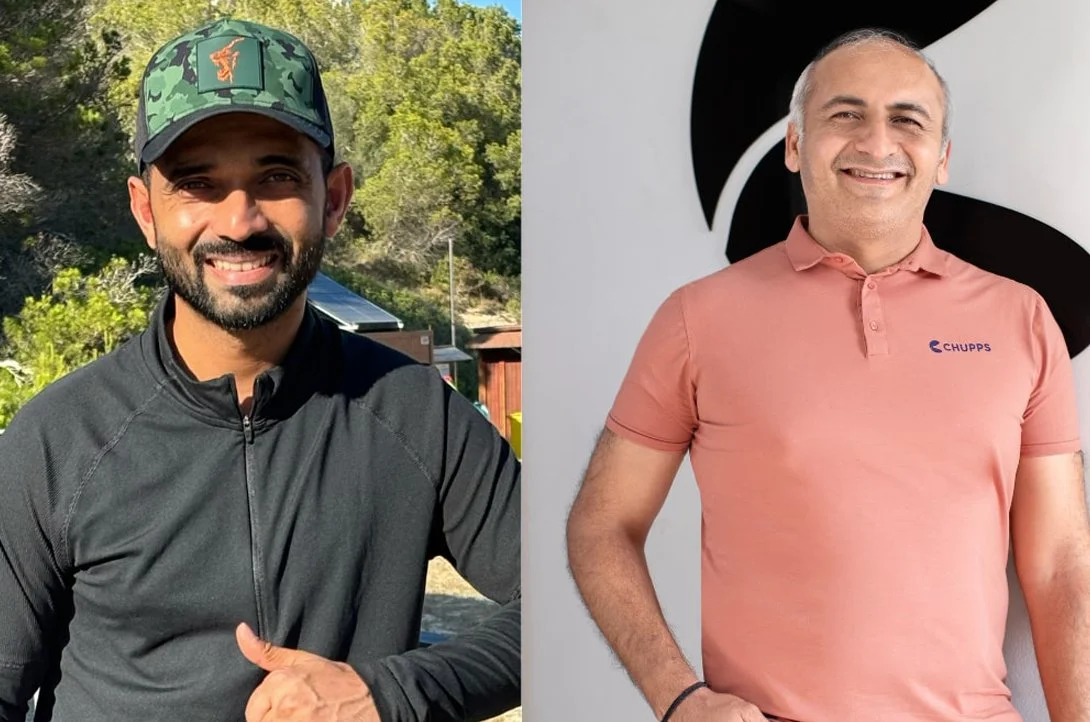
We're watching Chupps' move to bring on Ajinkya Rahane as an investor and strategic advisor with interest. The D2C footwear brand, founded in 2020 by Yashesh Mukhi, has added the cricketer to its ongoing pre-Series B round alongside its existing investor base. We like that Rahane isn't just writing a check — he's one of a growing cohort of athlete-investors (alongside names like Riyan Parag and MS Dhoni) who bring real audience trust to consumer brands. He'll work closely with the founding team on product innovation, including Chupps' ERGO-Charge recovery technology and a new recovery-focused line in development, which fits his athletic background well.

We're also drawn to Chupps' sustainability positioning — biodegradable, cruelty-free footwear built on its "True Zero" technology — and its expansion plans across Myntra, Amazon, offline retail, and the UAE. With India's D2C economy projected to hit $300 Bn by 2030, brands pairing credible backers with genuine product differentiation are exactly where we expect the next wave of category winners to emerge.

Read More
Green Frontier Capital Is Not Waiting for the Perfect Climate Story

We don't have to invest. If we don't find something interesting, we sit on cash — that discipline shapes how we operate. Over six years we've built a portfolio of just eleven companies, chasing not trends but real value in businesses we believe in. We're not impact investors, we're in the business of making money for investors. As unit economics in mobility, solar and storage mature past subsidy dependence, we see ourselves as a feeder, de-risking models early so PE can scale what we've validated.

Our exits reflect that philosophy. We're happy making 15 to 20 times our investment rather than holding out for outsized, IPO-scale outcomes — Battery Smart returned roughly 18 times in two and a half years. With founders, we want to be the Ganguly to their Sehwag, backing them without fear of failure. Alignment over scale is the model, and that's where we diverge from conventional venture capital.

Read More
The Battery Recycling Paradox: VCs' Next Big Underrated Bet

For a decade, capital chased what was visible in electrification: EVs, charging infrastructure, battery manufacturing. Recycling was overlooked, weighed down by thin margins and volatile lithium prices. That's changing. The first big wave of EV batteries is nearing end-of-life, with 15 million tons expected for processing by 2030, and the feedstock scarcity that once made recycling uninvestable is solving itself. Hydrometallurgical techniques now recover over 95% of key materials, and rules like Extended Producer Responsibility are converting optional demand into mandatory demand.

We see recycling as complementing mining, not competing with it, repricing the sector from marginal to critical infrastructure. The global market is projected to grow from $28.62 billion in 2025 to $91.72 billion by 2034. Venture capital doesn't generate outsized returns backing what's obvious; it identifies what's inevitable before consensus does. The feedstock, regulation and technology are aligning. The real question is who moves early enough to benefit.

Read More
EMotorad Launches Viper E-Cycle in India at ₹66,999

We're watching EMotorad's launch of the Viper e-cycle, priced at ₹66,999, as a solid read on where India's personal electric mobility market is heading. The Viper runs a 48V 250W rear hub motor with a removable 48V 15.6Ah battery, claiming up to 85 km in pedal-assist mode and 70 km on throttle — positioning it squarely in the mid-range segment, with front and rear suspension, hydraulic disc brakes, and a Shimano 7-speed drivetrain rounding out the spec sheet.

EMotorad is differentiating on convenience as much as range, with an NFC-based keyless unlock system, digital display, and integrated lighting. The launch lands as demand for low-cost, registration-free electric cycles keeps climbing in India, and we see this kind of feature race — better batteries, smarter unlocking, wider dealership and online reach — as exactly where affordable short-distance EV players will need to keep innovating to hold share.

Read More
16th IAA Olive Crown Awards 2026: Chupps Footwear Sweeps 10 Titles, Art of Living Honored as Green Crusader of the Year

We're watching Chupps Footwear's sweep at the 16th IAA Olive Crown Awards with interest. Chupps and agency Into Creative took home 10 Olive Crowns at Mumbai's Taj Lands End, including Green Brand of the Year, Green Advertiser of the Year, and Green Campaign of the Year — Gold, on the strength of their "Biodegradable World" campaign, which featured India's first biodegradable billboard built from natural materials. It's a record-setting haul at an award show now recognizing sustainability communication across brands, agencies, NGOs, and media, alongside wins for The Art of Living, Envision Energy, and Chirag Rural Development Foundation.

This signals: sustainability positioning translating into real market recognition, not just internal messaging. Chupps has consistently paired biodegradable product innovation with sharp brand storytelling, and seeing that combination validated at this scale reinforces our view that credible environmental commitments, communicated well, are becoming a genuine differentiator for consumer brands in India.

Read More
Hero MotoCorp-backed Euler Motors Raises ₹437.5 Crore To Scale EV Manufacturing, R&D Growth

We're tracking Euler Motors' latest raise as another strong data point for India's electric CV sector. The company has closed ₹687.5 crore in Series E funding — ₹437.5 crore in equity led by Lightrock, with Hero MotoCorp and Blume Ventures participating, plus ₹250 crore in debt from BlackSoil, Trifecta, InnoVen and Alteria Capital. Founder Saurav Kumar says the capital goes toward network expansion, product R&D, and manufacturing capacity, including a third production line at the Palwal plant that will add 1,000 units of monthly capacity. What stands out to us is the growth trajectory: Euler is targeting 100% growth over FY25 revenue of ₹191 crore, and Hero MotoCorp's 34.1% stake signals real strategic conviction, not just capital. With ₹1,900 crore raised to date, Euler looks well-positioned in its push to become a top-three e-CV player by 2030.

Read More
RAS Luxury Skincare raises $7.5 Mn in Series B led by Dabur Ventures

We're excited to see RAS Luxury Skincare close a $7.5 million Series B, led by Dabur Ventures with continued participation from Unilever Ventures — a strong signal of confidence in India's premium skincare category. The Raipur-based brand, founded in 2021 by Shubhika, Suramya and Sangeeta Jain, has built exactly the kind of defensible, vertically integrated model we look for: botanicals grown on family-owned farms, in-house R&D, and small-batch manufacturing feeding a portfolio of face elixirs, serums and moisturisers built on plant-based actives.

What stands out to us is the discipline behind the growth — a roughly 75% three-year revenue CAGR, an ARR nearing Rs 100 crore, and high gross margins, all achieved while scaling past 500,000 unique customers. With this round, RAS is positioned to deepen its omnichannel presence across D2C, e-commerce, quick commerce, EBOs, HORECA and premium retail, while investing further in brand-building and team expansion. We'll be watching closely as the brand moves into its next phase of growth.

Read More
Missing growth capital, subpar demand: The free-rider problem clouding India’s climate-tech segment

We are excited to share that Sandiip Bhammer, Founder and Managing Partner at Green Frontier Capital, has been featured in YourStory Media in an article on India’s climate tech landscape.

In the article, Sandiip reflects on the persistent gap in growth-stage funding within the sector. While early-stage capital has become more accessible, many startups struggle to raise the follow-on funding required to scale commercially viable solutions. This remains a key challenge despite increasing demand and regulatory support for climate innovation.

Read More
Financing greener cities: Can municipal green bonds fix India’s urban future?

We are excited to share that Karan Mehta, Venture Principal at Green Frontier Capital, has been featured in an article on how municipal green bonds can help bridge India’s urban climate finance gap.

In the article, he discusses the scale of infrastructure demand facing Indian cities and the urgent need for innovative financing tools. He outlines how municipal green bonds, supported by stronger policy guidance and financial enablers, can empower local bodies to take the lead on climate action.

Read More